Nau mai, haere mai. Welcome to My Ancestor's Story.
Please note: We are currently (May 2026) in the process of migrating this website due to host provider issues which are causing many pages to be unavailable. We hope to have this process completed soon. In the meantime, if you would like to get in touch, please use the Contact Us form which we have added below.
Here, you'll find pre-colonial New Zealand and South Seas fisheries history, including a comprehensive shipping index.
Browse family history stories or add your own. If you'd like to contribute in any way, contact us. For what's new, open the Tea Chest.
Please note: We are currently (May 2026) in the process of migrating this website due to host provider issues which are causing many pages to be unavailable. We hope to have this process completed soon. In the meantime, if you would like to get in touch, please use the Contact Us form which we have added below.
Here, you'll find pre-colonial New Zealand and South Seas fisheries history, including a comprehensive shipping index.
Browse family history stories or add your own. If you'd like to contribute in any way, contact us. For what's new, open the Tea Chest.
My Ancestor's Story
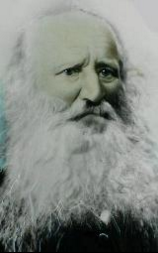
Born in England in 1789, John Lidiard volunteered for Nelson's Navy at age 11 and by 25 had become Captain of the Maintop. At the Blockade of Boston his squadron captured the frigate USS President. After Napoleon's defeat at Waterloo, released from the Royal Navy, John set sail for the South Seas, where he left his whaleship and English life to live among New Zealand's legendary tribal warriors. During the rest of his life, John Lidiard took part in and witnessed many defining moments in the birth of this South Pacific nation.
Your Ancestor's Story
Tinker, tailor, soldier, sailor? What's the story of your ancestor? My Ancestor's Story.com is a place to share your family history. Adding a short story is free and simple. Professional editing, writing, and publishing services are also available to help get your story ship-shape, easy to read, and available online. Get your ancestor's story told. Contact us, today.
Pre-Colonial New Zealand Shipping
If you had an ancestor working in the South Seas, be it sealing, whaling, exploring, or trading, let us know.
The first European ships to visit New Zealand shores were ones of discovery. They stayed only long enough to take specimens of flora, map the coastline, and note their observations of the unique people inhabiting the bush-clad mountainous islands. Back home, their reports of bountiful seas gave rise to frequent voyages by speculators, hunting for profit among the natural resources.
First came the sealers, and when they had exhausted their prey, then came the whalers. Traders too, began to realise the potential of the islands' resources. The new commodities were flax, and timber from the massive, ancient kauri forests. Other ships to visit before the arrival of the first colonial settlers include convict ships at the hands of mutineers, privateers, mission vessels, and naval ships.
Each ship has its own story, and you can read many of them here. If you're not sure where to start, try these:
If you had an ancestor working in the South Seas, be it sealing, whaling, exploring, or trading, let us know.
The first European ships to visit New Zealand shores were ones of discovery. They stayed only long enough to take specimens of flora, map the coastline, and note their observations of the unique people inhabiting the bush-clad mountainous islands. Back home, their reports of bountiful seas gave rise to frequent voyages by speculators, hunting for profit among the natural resources.
First came the sealers, and when they had exhausted their prey, then came the whalers. Traders too, began to realise the potential of the islands' resources. The new commodities were flax, and timber from the massive, ancient kauri forests. Other ships to visit before the arrival of the first colonial settlers include convict ships at the hands of mutineers, privateers, mission vessels, and naval ships.
Each ship has its own story, and you can read many of them here. If you're not sure where to start, try these: